What Is a B1/B2 Visa?
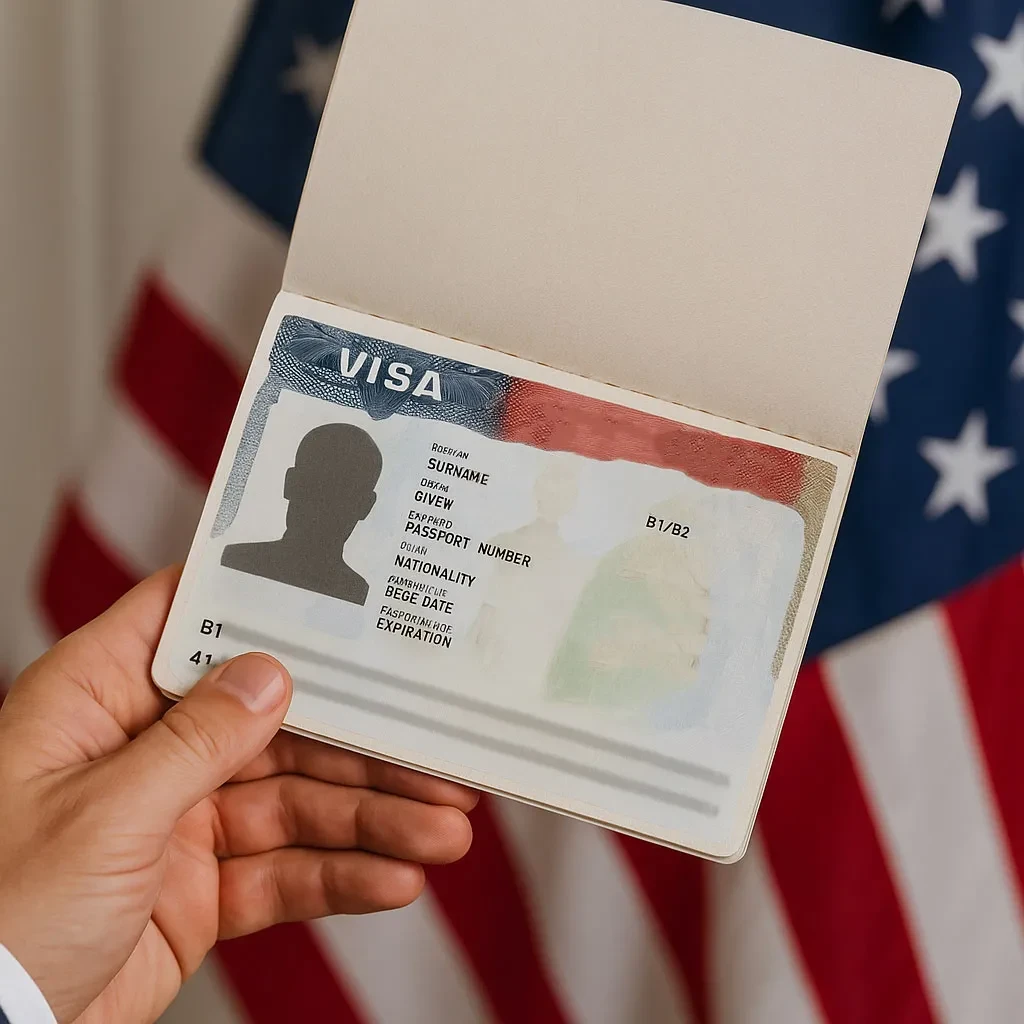
To travel to the United States, Russian citizens require a B1/B2 visa — a universal nonimmigrant visa that covers tourism, private visits, and business purposes (conference attendance, negotiations, business meetings). It does not authorize work, but allows you to move freely within the country while the visa is valid.
The B1/B2 visa for Russian citizens is typically valid for 3 years, with multiple entries allowed.
DS-160 Form: The First Step
The application process begins with completing the DS-160 form on the official U.S. Department of State website. The form must be filled out in English and requires careful attention — you must provide:
- Personal information
- Travel history
- Employment and education details
- Residential address and contact information
- Purpose of travel and planned itinerary
Important: errors in the DS-160 can lead to a denial. Read about the most common mistakes in the article "Common Mistakes in Visa Applications".
Visa Fee and Interview Scheduling
After submitting the form, you must:
- Pay the visa fee — currently USD 160.
- Register in the CGI system and book an interview at the embassy or consulate.
Due to limited consular operations in Russia, many applicants attend interviews in neighboring countries. In such cases, agencies can assist with the entire process — from slot selection to travel arrangements.
Embassy Interview: The Key Stage
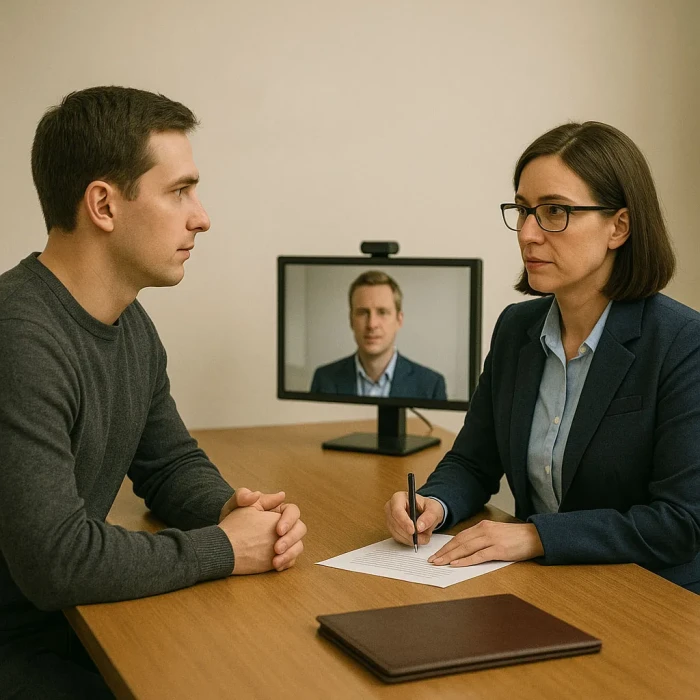
Almost all applicants must personally undergo a visa interview with a consular officer. This is the crucial moment when a decision is made — to approve or deny the visa.
What Do They Ask?
- The purpose of your trip
- Who is funding your trip
- Where you work and what you do
- Whether you have relatives in the U.S.
- Whether you have traveled abroad before
Tips:
- Answer briefly and clearly; avoid unnecessary details
- Tell the truth — any attempt to mislead will result in a denial
- Show that you have strong ties to your home country: stable job, family, property. Read more about this in "Ties to Home Country: How to Increase Your Visa Chances"
The officer often makes a quick decision during the interview. Learn more about succeeding at the interview in the article "How to Ace the Visa Interview".
Key Points for a U.S. Visa
The main focus of U.S. consular officers is demonstrating no immigrant intent. To convince the officer, provide evidence that you:
- Have a stable income and employment in your home country
- Have family, property, or business ties
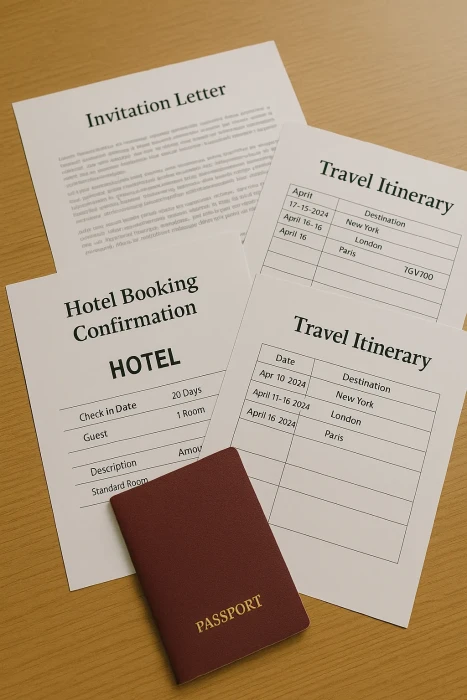
- Have a clear travel itinerary
- Will return to Russia at the end of your visit
Financial documents play a key role, especially if you are traveling independently. Check the article "Financial Guarantees for a Visa" for guidance on preparing bank statements and employment letters.
If this is your first trip, having previous international travel experience is beneficial.
After Approval: How to Receive Your Visa
If the officer says, "Your visa is approved," this means:
- Your passport remains at the embassy
- The visa will be affixed within a few days
- Afterward, your passport is delivered via courier service (e.g., Pony Express)
The visa sticker is placed on a separate page. Don’t forget to check the validity period — for Russians it is usually 3 years, but your length of stay is determined at entry, typically up to 6 months.
Final Tips
Here are some practical tips to boost your approval chances:
- Fill out the DS-160 form carefully, without errors or misinterpretations
- Prepare financial documents and employment verification
- Plan your itinerary and trip purpose thoroughly
- Clearly demonstrate your ties to your home country
- Stay calm during the interview — honesty and confidence always help.
Conclusion
US Visa (B1/B2) remains one of the most in-demand and at the same time one of the most detail‑sensitive visas. Successful processing requires accuracy, preparation, and an understanding of the logic of visa officers. If you want to avoid mistakes and increase your chances of approval — it is better to entrust the process to professionals.
We help with obtaining a US visa — from the DS‑160 application form to preparing for the interview. Contact us, and we will go through this process together.