When reviewing a visa application, consulates of various countries—from the USA, the UK, Canada, to Schengen states—carefully assess the applicant’s ties to their home country. The key question a visa officer asks is: “Will this person return home after their trip?”
Evidence that you do not intend to stay abroad illegally can vary. However, employment, family, and property commitments are among the key factors that help convince the consulate of your genuine intentions.
What Are Ties to Your Home Country and Why They Matter
Ties to your home country are the set of circumstances that anchor an applicant in their country of residence. Consulates believe that these factors reduce the likelihood of someone overstaying. They include:
- official employment with a steady income;
- having a family—spouse, children, parents;
- studies;
- assets—real estate, vehicle, business;
- social and professional ties to your community.
If these ties are minimal or weak, there is a high risk of refusal. See “Visa Refusal: What to Do Next” for more details.
How Employment Affects Visa Approval
Stable official employment is one of the main factors in assessing an application. If you have a permanent job, a reliable salary, and approved leave for the trip, it demonstrates:
- your financial stability;
- your obligations at home;
- no incentive to work illegally abroad.
For your visa application, you must provide an employment letter stating your position, start date, salary level, and confirmation that your job will be held for you during leave.
🔹 Note: if you have recently quit or just started a new job, the officer may be cautious—such a sudden change can seem suspicious. In that case, prepare an explanation or additional documents (e.g., your contract copy or a letter from your employer).
If you are unemployed, you should strengthen other aspects of your application: provide financial guarantees, include a sponsor letter (see “Financial Guarantees: How to Prove Your Solvency”), or reference your visa history.
The Impact of Family Status
Having an official marriage, children, or parents you support is also a factor that increases your visa chances. This is especially important when applying for a tourist or visitor visa.
For example:
- your family remains at home—so you must return;
- you travel with your spouse—which is normal for a family trip;
- children stay with relatives—reducing concerns about immigration intent.
If you are young, single, and childless, you need to pay extra attention to financial documents, your itinerary, and other proof of genuine intent.
🔹 Read more in “Financial Guarantees” and “Invitation Letter for a Visitor Visa”.
Additional Factors: Education and Property
If you are a student, be sure to provide:
- a letter from your educational institution showing your course and faculty;
- confirmation that you remain enrolled and will continue your studies after the trip.
If you own property or a vehicle, include copies of ownership documents. While not mandatory, having assets demonstrates your ties to your home country.
Similarly, if you run a business, attach:
- registration certificate;
- tax filings;
- bank statements of the company.
What to Do If You Lack Obvious Ties
Not everyone has employment or family. You might be:
- a freelancer;
- a recent graduate;
- a dependent;
- a project-to-project traveler.
In such cases, compensate for weak ties with other documents:
- submit an extended travel itinerary;
- provide all financial documents;
- include your visa history;
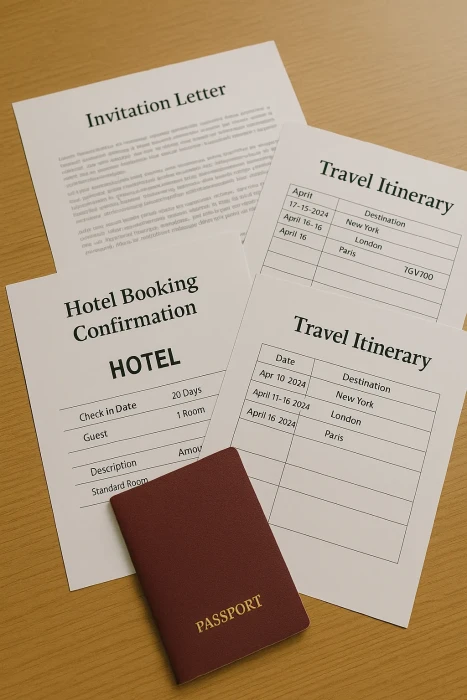
- show hotel and flight confirmations;
- add an explanatory letter explaining why you will return.
Conclusion
Employment and family status are your strongest arguments in a visa application. They demonstrate reliability and intent to return home. Highlight these ties if you have them; if not, offset with other supporting documents.
A professional approach to filling out your application, a well-prepared document package, and attention to detail greatly increase your chances of visa approval.
If you are unsure how to present yourself to the consulate, seek a consultation. We will help you gather the necessary documents, prepare explanations, and complete your application professionally.