Marriage to a citizen of another country can open the way to obtaining a family reunification visa, and in the long term — to a residence permit and citizenship. However, the procedure depends on the country where your spouse resides and requires careful preparation. In this article, we will examine the types of visas available after marrying a foreign national, what documents are needed, and what to pay special attention to.
Spouse Visa: When It Is Required
If you have married a foreign national and plan to live together abroad, you will need a special visa. It is issued by the consulate of the spouse’s country of residence and allows you to officially relocate and then obtain a residence permit.
Such a visa is required in the following cases:
- Spouse is a citizen of an EU country or the USA, Canada, the United Kingdom, Australia, etc.;
- You plan to reside in the territory of that country;
- You have a legal basis (marriage certificate) but no citizenship or residence permit.
Main Types of Visas After Marriage
The procedure and visa type may vary depending on the country:
- USA — CR-1 visa (immigrant for spouses), K-3 (non-immigrant);
- Canada — Family Sponsorship (reunification program);
- Germany — national visa category D (spouse reunion);
- France — “vie privée et familiale” visa;
- United Kingdom — Spouse Visa;
- Australia — Partner Visa subclass 309/100;
- Schengen — national family reunification visa (depending on the country).
Requirements for Obtaining a Spouse Visa
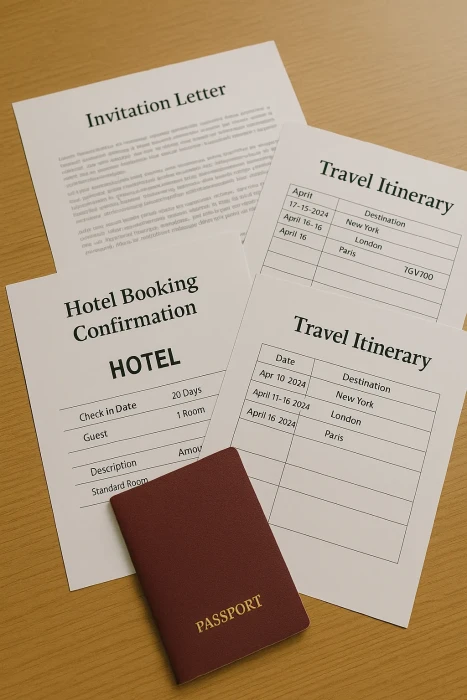
The application process may differ, but most countries require the following documents:
- Passport;
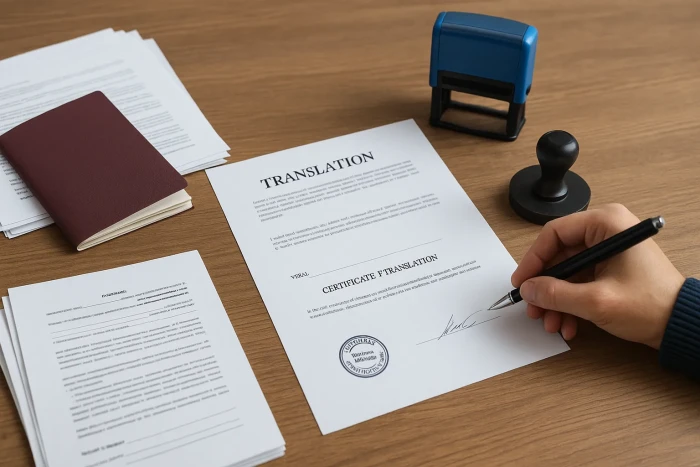
- Marriage certificate, legalized and translated into the country’s language;
- Spouse’s proof of identity and citizenship;
- Evidence of relationship (correspondence, photos, trips);
- Spouse’s financial documents (to prove ability to support the applicant);
- Application form and visa fee.
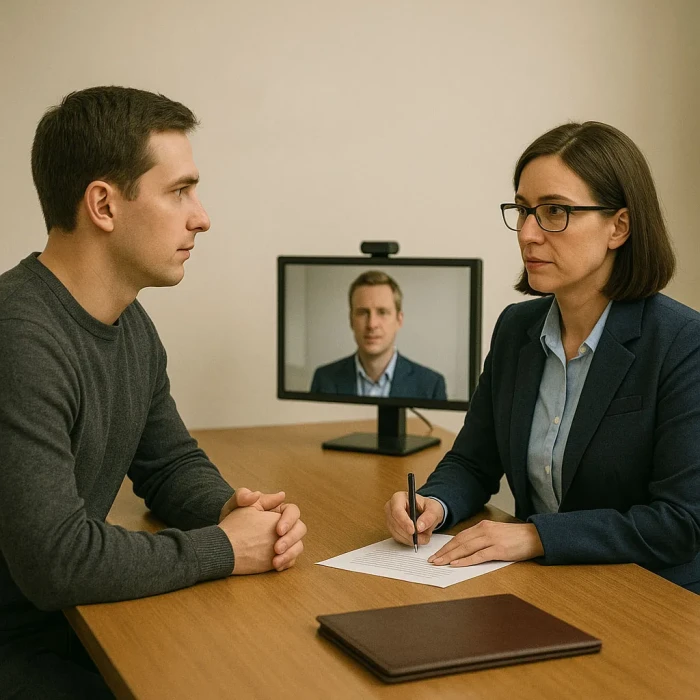
Important: almost all countries require that the marriage be genuine and not fraudulent. Consulates may summon you for an interview, ask personal questions, and inspect joint photos and correspondence.
For details, see the article “Visa Interview: Process and Sample Questions”.
Country-Specific Features
USA
After marrying a US citizen, you can apply for a CR-1 visa. It provides for relocation and obtaining a green card. The process includes filing Form I-130, attending an interview, and completing a medical examination.
If the spouse lives abroad, you can first obtain a K-3 nonimmigrant visa and then adjust status in the US.
Germany
Proof of language proficiency (A1 level according to the Goethe Institute), health insurance, and the spouse’s financial capacity are required. The procedure is quite formal but strict.
Canada
A Canadian citizen can sponsor their spouse under the Family Sponsorship program. Applications can be submitted from inside or outside Canada. It is important to prove a long-term and serious relationship.
Tips and Tricks
- Prepare evidence of a genuine relationship. Photos, correspondence, video calls, joint trips — all of this is important.
- Make sure the marriage is recognized in the spouse’s country. Some countries do not recognize marriages registered under different jurisdictions without proper registration.
- Watch the timelines. It can take 3 to 12 months from application to visa issuance.
- Be ready for the interview. It may be conducted separately for each spouse, and the answers must match.
After Obtaining the Visa
Upon arrival in the country, you may face the next step — applying for a residence permit. In some countries you receive it automatically (for example, in Canada), while in others you will need to file documents locally.
After several years of living together and meeting the requirements, you can apply for permanent residency or citizenship.
Conclusion
A spouse visa after marrying a foreign national is not a mere formality but a full-fledged immigration process involving verification of intentions, documents, and personal history. To ensure success, it is best to study the specific requirements of the country in advance or consult specialists. We are ready to help you prepare the entire document package, pass the interview, and obtain the visa stress-free.