Why You Need to Translate Your Documents
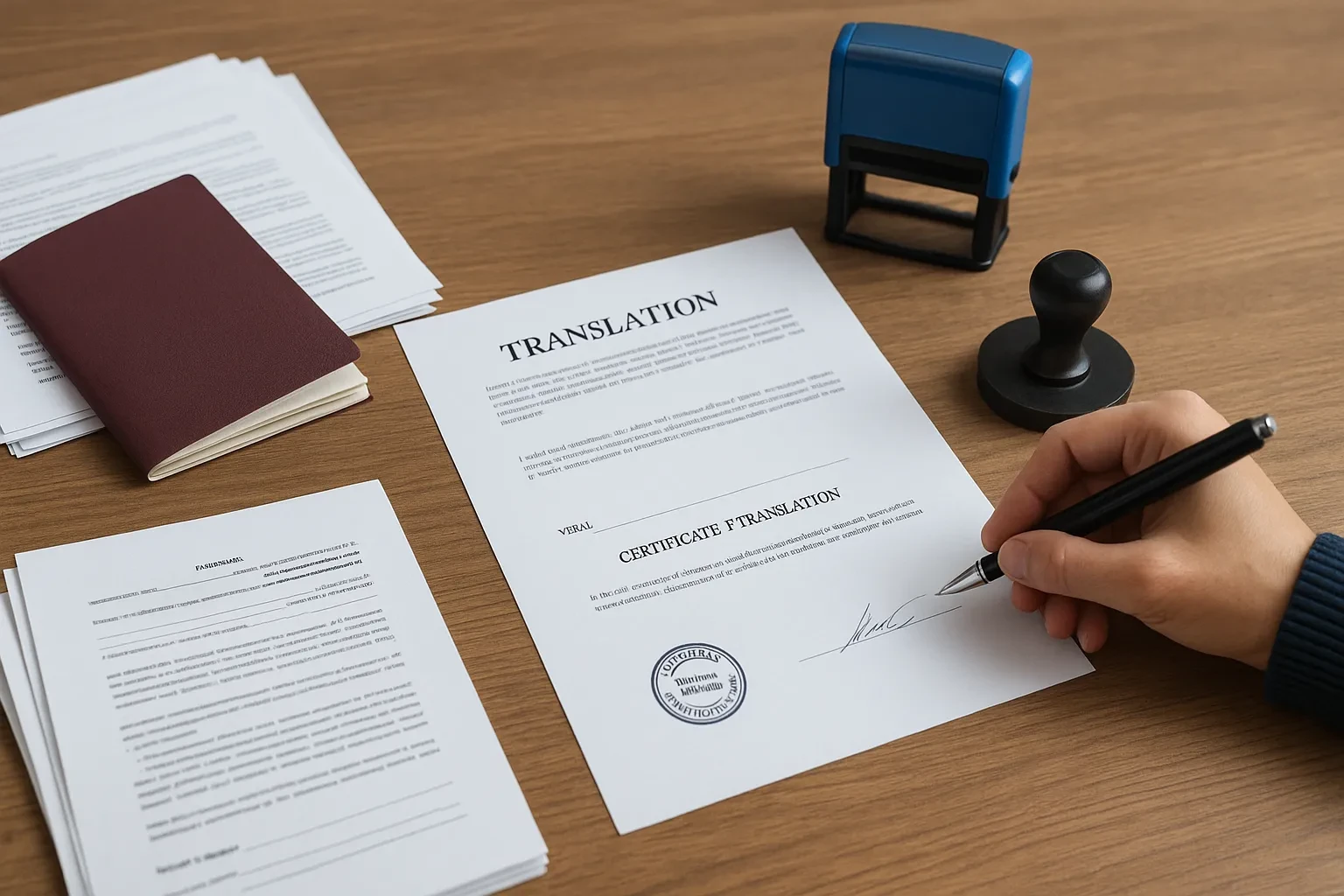
When submitting a visa application, it’s important to understand: all documents provided to the consulate must be clear to the visa officer. This means that documents in Russian or any non-official language of the destination country usually require translation into English or into the official language of the host country.
Some consulates accept only originals in English, others allow translation into the local language. The only exceptions are international documents such as your passport, multilingual certificates, International Vaccination Certificate, etc.
Which Documents Must Be Translated
Typically, you need to translate:
- Employment certificate
- Bank statement
- Birth certificate
- Marriage or divorce certificate
- Powers of attorney, official statements, notarized deeds
- Diplomas and school transcripts — especially for student visas
If a document is not in English or in the host country’s language, it’s best to translate it in advance to avoid risk of refusal.
Read more in the article “Visa Documents: Complete List of Required Certificates”.
Is Notarization Required?
It depends on the visa type and on the country:
- For tourist visas (Schengen, UK, Japan, Canada, etc.) notarization is usually not required. A standard translation suffices.
- For study, immigration, or work visas, especially for USA or Australia, translations may require translator certification or notarization.
- United Kingdom allows self-translation if it includes translator’s name, signature, and a statement of accuracy.
- In the USA you can include:
“I certify that I am competent to translate and that the translation is accurate.” with translator’s signature and contact details.
Always check specific country requirements before applying. For example, for Australia see “Visa to Australia” — all documents must be in English.
Where and How to Get Your Documents Translated
Reliable Option — Professional Translation
It’s best to use a translation agency specializing in visa documents. This:
- Minimizes errors
- Avoids extra questions from the consulate
- Saves you time
Prices per page vary, but it’s a worthwhile investment, especially for important or lengthy documents.
If you don’t have a trusted translator, we recommend InfoVisaAgent. We work with professional agencies and can help translate your visa documents.
Can You Translate Yourself?
Sometimes you can. For example:
- For UK visas self-translation is allowed if it clearly shows:
- Translator’s full name and contact information
- A statement of competence
- Date and signature
However, self-translation carries risk if you’re not confident with official terminology. When in doubt, use a professional.
Key Points to Watch When Translating
Some documents have specific terms, and mistakes can raise suspicion or confusion. Examples:
- Individual Entrepreneur — translates as Individual Entrepreneur, not “private businessman.”
- Unpaid leave — translates as Unpaid leave, not “free vacation.”
- Place of birth — translates as Place of birth, not “Born city.”
When translating employment certificates, bank statements, and personal documents, use established templates and professional terms.
Translating visa documents is a crucial step. Errors can not only harm your image as an applicant but lead to refusal. It’s better to invest time and money in a quality translation than reapply and pay the consular fee again.