Applying for a visa is not just filling out a form but a full process that demands attention to detail. One of the key steps is assembling the correct set of documents. Requirements vary by country and visa type (tourist, visitor, student, or business), but there are general categories of documents without which no visa can be granted. In this article, we’ve compiled a complete checklist and provided practical tips on how to prepare everything correctly.
Core Documents: Where Your Visa File Begins
The first items the visa officer checks are the basic documents:
- Passport. It must be valid for at least 6 months beyond your return date and have at least two blank pages.
- Visa application form. Completed online or by hand, depending on consulate rules, with truthful data matching your passport.
- Photo in the required format. Size, background, facial expression, and recency all matter.
Financial and Employment Documents
Almost every visa category requires proof of financial means and social status. Prepare:
- Employment letter. On company letterhead, stating your position, salary, and length of employment.
- Bank statement. Typically covering the last 3–6 months to confirm funds.
- Enrollment certificate (if you are a student).
- Sponsor letter. If parents, spouse, or another party covers costs—include their documents and proof of funds.
🔹 For detailed advice on proving finances, see "Financial Guarantees in Visa Applications".
Documents Confirming Trip Purpose
The consulate must verify why you are traveling. Depending on visa type, you may need:
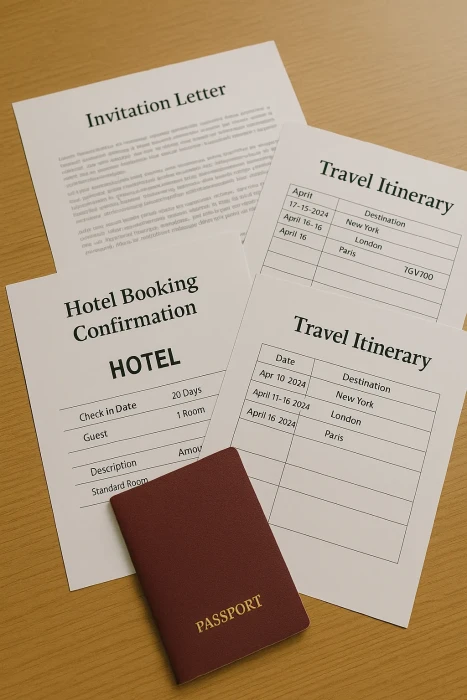
- Flight and hotel reservations. Not always mandatory but helps demonstrate your itinerary.
- Travel itinerary. Especially useful for Schengen visas.
- Invitation letter. From a private individual or company for visitor or business visas.
- Medical insurance. Mandatory for Schengen—minimum coverage €30,000 valid for the entire stay.
🔹 More on this in "Medical Insurance for Visa", which details country-specific nuances.
Additional Documents
Depending on your situation, you may need:
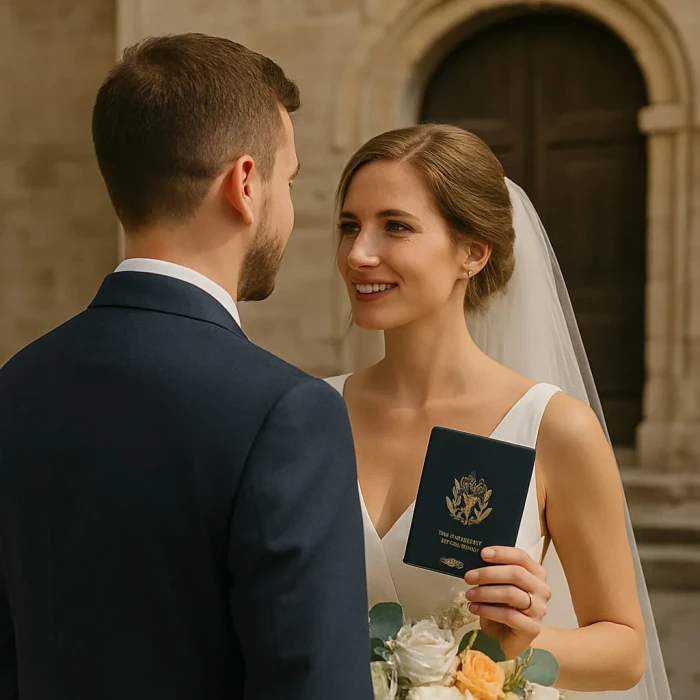
- Marriage certificate— if traveling with your spouse.
- Child’s birth certificate— if your child travels with you.
- Parental consent— for minors traveling with one parent.
- Copies of old passports and visas— to demonstrate your travel history, especially for countries with strict migration controls.
🔹 For child visa details, see "Visa for Children: Special Requirements".
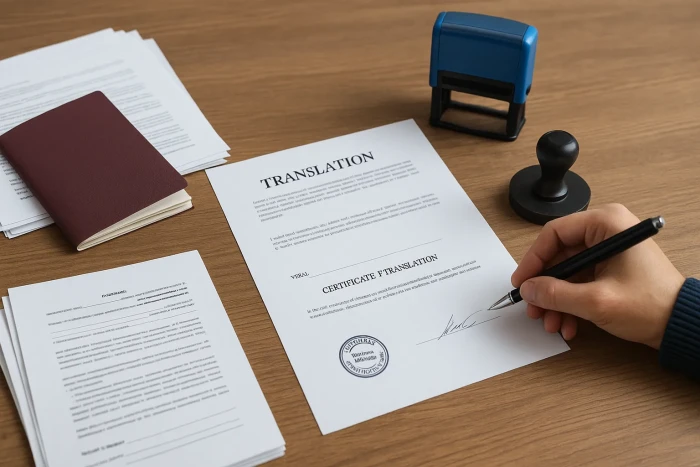
🔹 Remember to read "Document Translation for Visa"—some consulates require certified translations into English or the host country’s official language.
How to Organize Your Documents
Even if you have all documents, organization is key. Arrange materials logically so the officer can review them quickly:
- Make copies of everything—passport, insurance, tickets, statements.
- Order documents: application, photo, passport, then employment proofs, itineraries, financials, and extras.
- Obtain any required translations and certify notarization if necessary.
- Use a folder with dividers for a clean presentation.
Conclusion
Preparing your visa documents is the foundation of a successful application. Missing forms, expired certificates, or an incomplete packet are common reasons for refusal. Don’t risk your trip—consult with experts to ensure every paper is in order.
We offer visa assistance for the USA, UK, Canada, Australia, Japan, China, and Schengen. Visit each country’s page for the precise checklist and up-to-date requirements.