The embassy interview is one of the key stages in obtaining a visa to countries such as the USA, the United Kingdom, Canada, and others. Even with perfectly organized documents, it is the meeting with the visa officer that can play a decisive role in the visa issuance decision. In this article, we will explain how to prepare for the interview, what to expect, and how to conduct yourself to increase your chances of approval.
Why the Interview Is Necessary
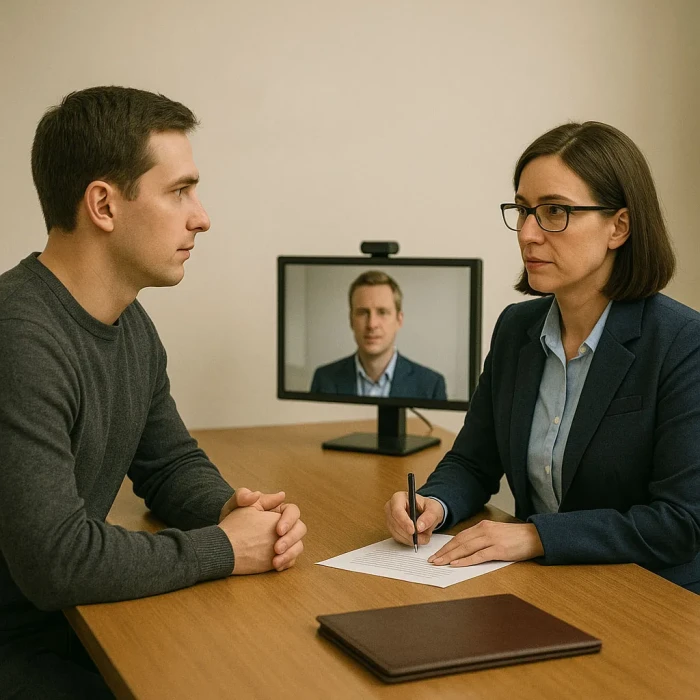
The visa interview is an informal conversation during which the officer assesses the applicant’s sincerity, ties to their home country, level of preparation, and reliability. This stage is especially important when applying for visitor, student, and tourist visas to the USA and the United Kingdom.
The main goal of the interview is to ensure that you truly intend a temporary stay, will comply with the visa conditions, and will return home after your trip.
How to Prepare for Common Questions
The good news is that most interview questions are standard. Officers typically ask:
- What is the purpose of your trip?
- Whom are you visiting and who is paying for the trip?
- Where do you work or study?
- Do you plan to return home?
- Do you have relatives abroad?
🔹 Tip: Answer briefly, honestly, and to the point. Don’t memorize answers word for word; instead, practice real scenarios—it will help you speak confidently. You can find detailed examples in the article "Common Visa Interview Questions".
If you don’t know an answer—better admit it than guess. Visa officers are trained to detect uncertainty and contradictions.
Which Documents to Bring
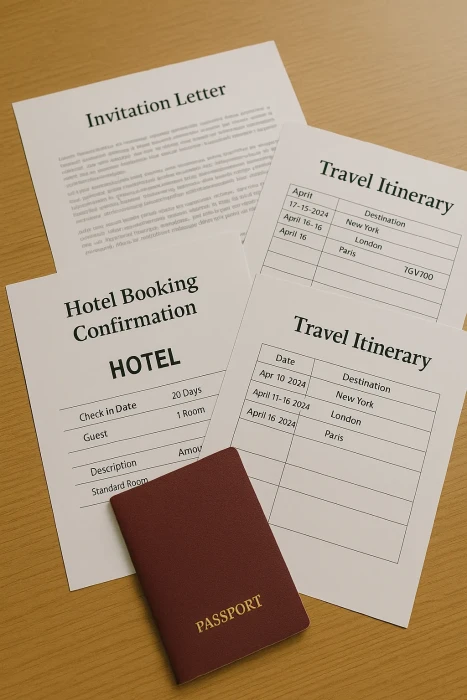
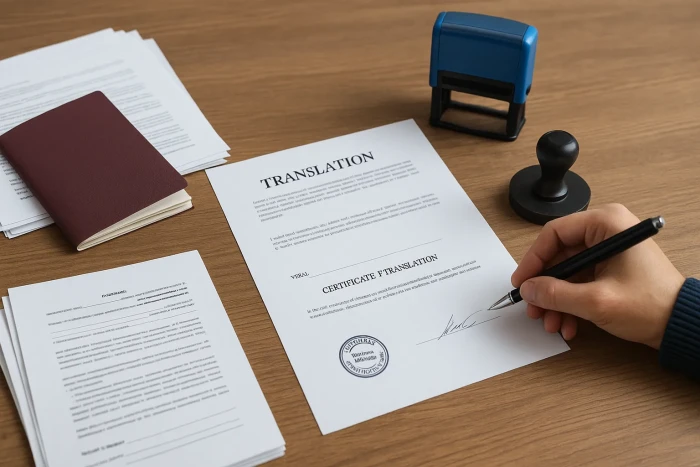
Even if you submitted some documents online or at the visa center, it is important to bring originals to the interview:
- Your passport and any previous passports (if you have visa history);
- Proof of trip purpose (hotel booking, tickets, invitation);
- Financial documents (bank statements, employment letter);
- Documents proving ties to your home country (enrollment or employment certificate, property deeds, marriage or birth certificates).
🔹 Tip: Use documents to support your statements. For example, if you say you are employed—show the employment letter. If you’re visiting a relative—show the invitation and a copy of their ID.
Behavior and Appearance at the Interview
The interview is an official process, so follow business etiquette. Key recommendations:
- Arrive on time—don’t be late, but also don’t arrive too early.
- Dress neatly in a neutral style. A suit is not required, but clothes should be clean and tidy.
- Speak clearly and confidently, avoiding unnecessary details.
- Avoid jokes and strong emotions; don’t argue with the officer, even if questions seem provocative.
- Stay calm—officers also observe your reaction to stress.
🔹 Myth: visa officers decide based on emotions. In reality, decisions are made based on all factors—application, documents, answers, and overall impression. Don’t be afraid—be prepared.
What Happens After the Interview
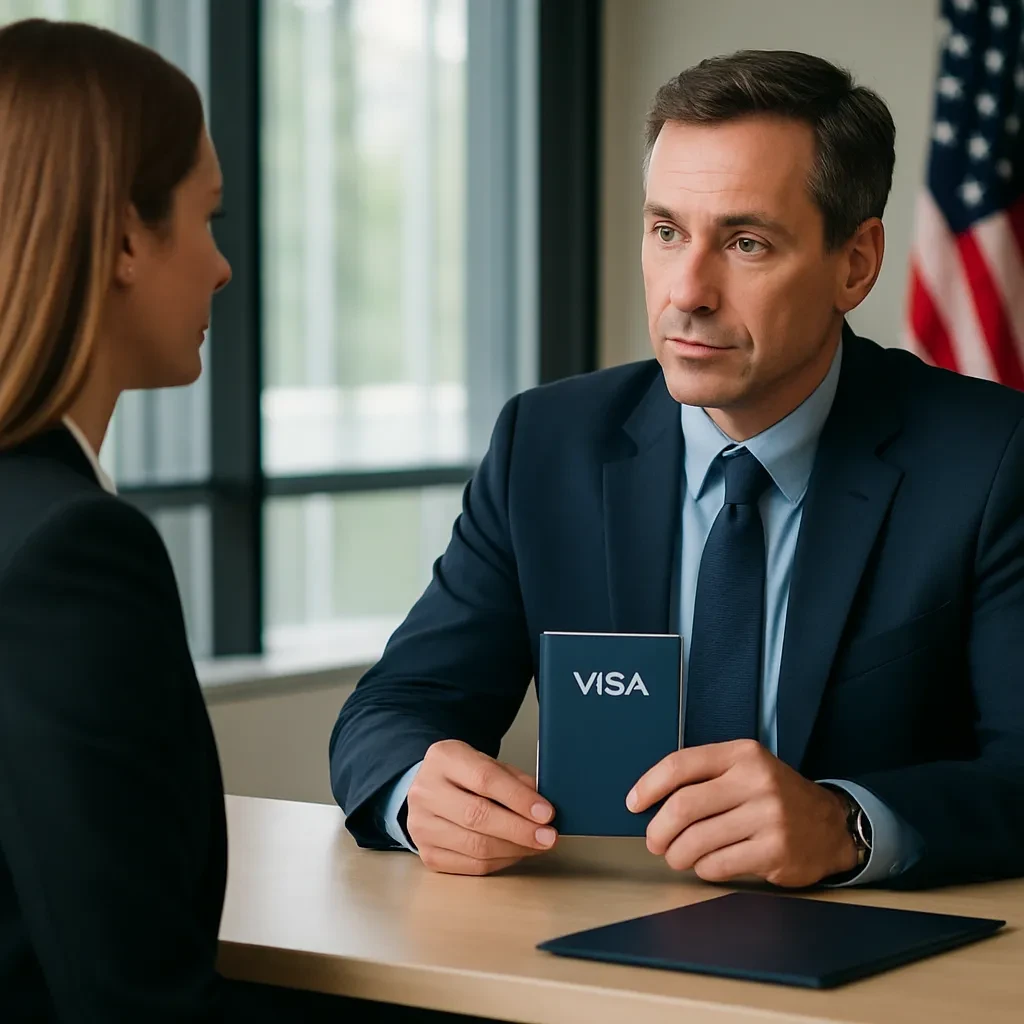
After the interview, the officer will:
- announce a preliminary decision (visa approved / further processing required / denied),
- retain the passport for visa stamping if approved,
- inform you when and where to collect your passport.
Sometimes a visa denial occurs. In that case, don’t panic. Analyzing the reasons for denial and adjusting your strategy often enables success on a second attempt. Read more in the article "Visa Denial: What to Do Next".
Conclusion
Successfully passing the interview is the result of preparation, honesty, and self-assurance. Remember: the visa officer is not an adversary but a specialist ensuring your intentions are genuine. Be calm, concise, and logical—you will succeed.
If you are applying for a visa to the USA, Canada, the UK, Japan, or any Schengen country, we offer assistance in interview preparation and full support throughout the visa process. To learn more about typical questions, we recommend reading "Common Visa Interview Questions" and visiting the US Visa Information page, which details every step of the process.