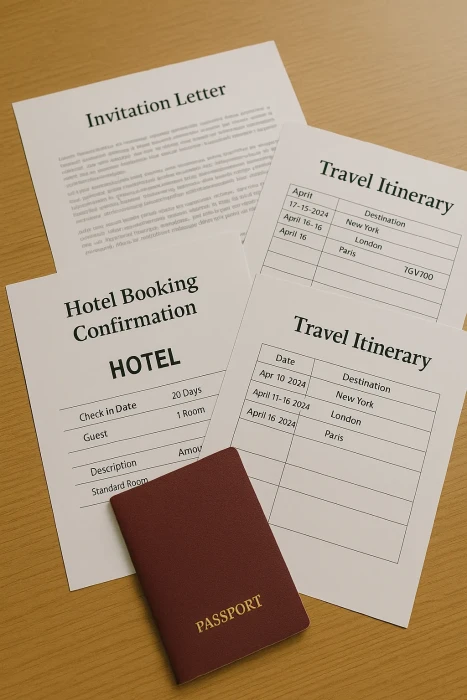
When planning a trip abroad, it is important not only to choose a destination but also to correctly determine the type of visa for which you will apply. Confusion most often arises between a tourist visa and a visitor visa. At first glance, they seem similar: both allow temporary stay in the country and do not grant the right to work. However, there are differences between them — and they are quite significant. In this article, we will explain how a tourist visa differs from a visitor visa, which documents are required in each case, and why it is important to specify the correct category on the application form.
What are a Tourist Visa and a Visitor Visa
A tourist visa is permission for a short-term stay in the country for the purpose of sightseeing, relaxation, or participating in tour programs. It implies that you organize your itinerary entirely on your own or through a travel agency.
A visitor visa (also known as a visitor’s visa) is permission to enter the country for visiting relatives, friends, or acquaintances who legally reside there. Such a visa requires an invitation from the host party, which distinguishes it from a tourist visa.
Conditions for Obtaining a Tourist Visa
A tourist visa is most often issued when:
- hotel or accommodation booking,
- having a travel itinerary or a tentative trip plan,
- proof of financial solvency — bank statements, employment letter,
- return tickets (if required),
- a trip purpose not related to work, medical treatment, or study.
Usually, to obtain a tourist visa for the Schengen Area, the USA, Australia, or Japan, it is important to demonstrate that you will return home after the trip and have no immigration intentions.
Features of a Visitor Visa
A visitor visa requires a personal invitation from a person or organization that hosts you in the destination country. This may be:
- a relative or friend (a citizen or legal resident of the country),
- an organization inviting you to an informal event,
- in some cases — an educational institution or a church (in an unofficial capacity).
The main requirement is an invitation letter specifying:
- the personal details of the inviter and the invitee,
- residential address,
- purpose of the visit,
- financial responsibilities (who will cover the trip expenses).
🔹 For more details on the structure of the letter, read the article "Invitation Letter for a Visitor Visa" — there you will find samples and tips for preparation.
Differences in the Document Package
Below are the key differences between a tourist visa and a visitor visa:
|
Documents |
Tourist Visa |
Visitor Visa |
|
Hotel booking |
✅ Required |
❌ Usually not required |
|
Travel itinerary |
✅ Recommended |
❌ Not required |
|
Invitation |
❌ Not required |
✅ Required |
|
Host’s details |
❌ |
✅ Copy of ID or residence permit |
|
Financial guarantees |
✅ |
✅ |
|
Return proof (employment, studies) |
✅ |
✅ |
🔹 Both visa types require proof of ties to your home country, such as an employment or study letter, family ties, property ownership, etc.
How to Choose the Right Type of Visa
The key to success is clearly understanding the purpose of your trip. If you plan to relax, travel, visit museums, or simply explore the country – apply for a tourist visa.
If you are going to visit relatives or friends who have sent you an invitation, it makes sense to apply for a visitor visa.
❗️Important: choosing the wrong visa category can lead to refusal. For example, if you state you are traveling as a tourist but provide an invitation — it will raise questions with the officer. Conversely, if you do not have an invitation but apply for a visitor visa, it will be grounds for rejection.
🔹 You can find out which visa categories are available in different countries on the service pages for the USA, Schengen Area, Canada, and other countries.
Conclusion
A tourist visa and a visitor visa are different categories, each requiring proper processing and documentation. A mistake in choosing can cost you time, money, and stress. To avoid refusal, clarify the purpose of your trip, prepare the necessary documents, and seek professional advice if in doubt.
We offer assistance with obtaining tourist and visitor visas for the USA, Canada, the UK, Australia, Japan, China, and the Schengen countries. We will advise you on how to choose the right category, complete the application, and compile the document package.