A correctly taken photograph is a mandatory part of any visa application. Despite seeming simple, mistakes in your photo are one of the most common reasons for delays or visa refusals. Different countries impose different requirements on images, and it’s crucial to respect these details when submitting your documents.
In this article, we’ll cover the key requirements for visa photos, and the specific rules for popular destinations such as the USA, Schengen area, and the United Kingdom. You’ll learn how to avoid common pitfalls and prepare an acceptable photo on the first try.
General Photo Requirements
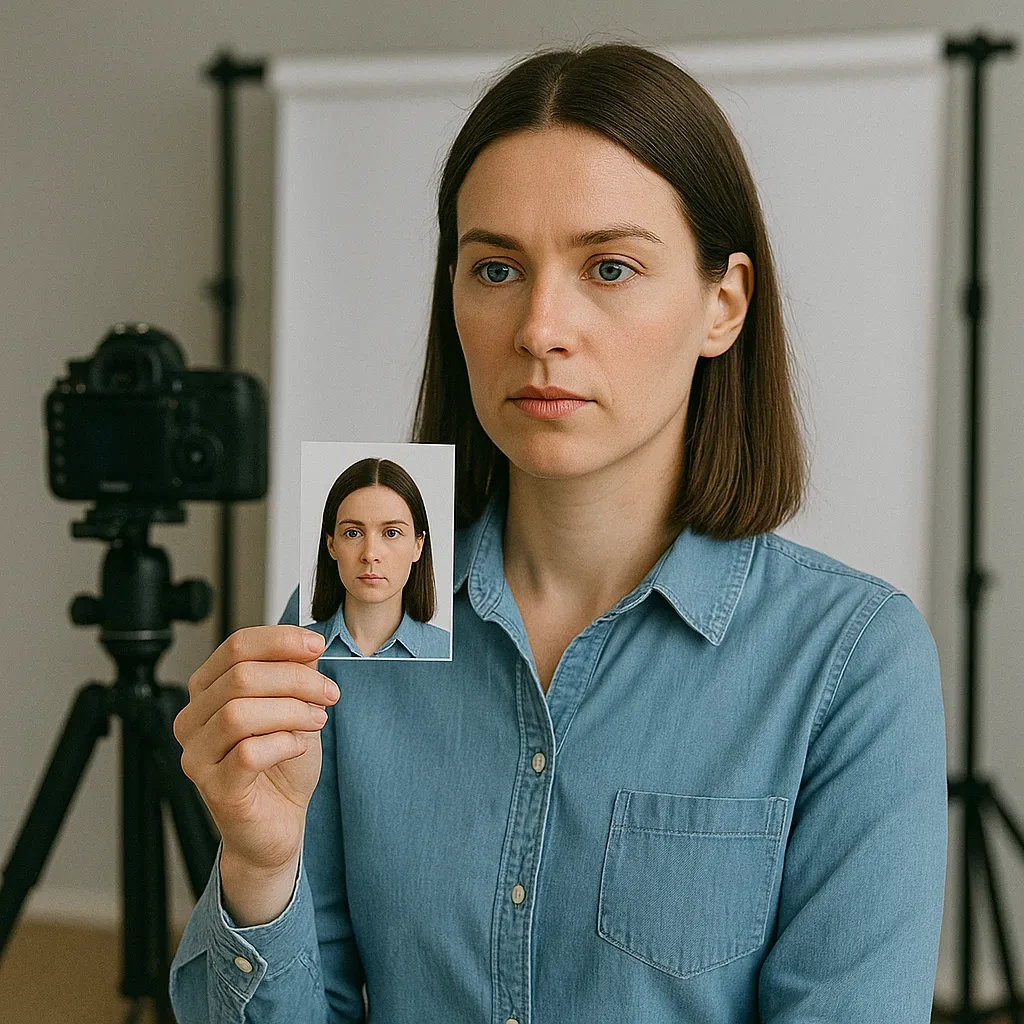
Most consulates and visa centers share these basic standards:
- Photo size — usually 3.5×4.5 cm;
- Background — plain light colour, most often white or light grey, with no patterns or shadows;
- Headwear — not allowed except for religious reasons (face must remain fully visible);
- Glasses — generally discouraged, and if worn, no glare or tinted lenses;
- Facial expression — neutral, with mouth closed and eyes open, looking straight at the camera;
- Recency — taken within the last 6 months to reflect your current appearance.
🔹 Ensure the photo is sharp, well-contrasted, and free of digital artifacts. Your face should occupy about 70–80 % of the frame.
Country-Specific Rules
USA
- Size: exactly 2×2 inches (5×5 cm);
- Digital format: for online DS-160 uploads, resolution between 600×600 and 1200×1200 px;
- Background: strictly white;
- Age: no older than 6 months;
- Submit both a printed and a digital copy when you apply.
👉 Check full details on the USA visa page.
Schengen Area
- Size: 3.5×4.5 cm;
- Biometric standards: face must fill 70–80 % of the photo;
- Background: white or light grey;
- Glasses: strongly discouraged;
- Print quality: high resolution on good photo paper;
- Age: recent (max 6 months old).
🔹 See our Schengen visa page for more.
United Kingdom
- Digital format: required for online applications;
- File size: minimum 600×750 px, max 10 MB;
- Background: light, no shadows;
- Must strictly match the UK specification, or the upload will be rejected.
💡 A professional studio is recommended to ensure compliance.
Tips for a Perfect Visa Photo
Where to Get Your Photo Taken
Best: a specialized visa photo studio. Inform them of your destination country so they use the correct format.
What to Double-Check Before Submission
- Photo matches the exact size and format required;
- No shadows, glare, or red-eye;
- Taken within the last 6 months;
- Background is plain and uniform;
- Face is fully visible.
Common Photo Errors
- Smiling or tilted head;
- Incorrect dimensions;
- Glasses glare or dark lenses;
- Shadow on the background;
- Photo older than 6 months;
- Coloured background or bright accessories.
🔹 Avoid these to prevent outright rejection. See "Common Visa Application Mistakes" for more.
Conclusion
A compliant visa photo is essential. Any deviation from the rules may lead to refusal or delay. Always follow each consulate’s guidelines and, when in doubt, use a professional service to guarantee success on your first attempt.
We assist with all visa preparations, including photo compliance. Contact us to ensure your application is flawless.