Receiving a visa refusal is unpleasant but by no means hopeless. Many applicants obtain a visa on their second or even third attempt. The main thing is to correctly analyze the reason for refusal, adjust your approach, and prepare an enhanced document package. In this article, we explain what to do after a refusal and which steps can help increase your chances of successfully obtaining a visa on a repeat application.
Step 1: Address the Reasons for the Previous Refusal
Start by analyzing why the consular officer refused your visa. The most common reasons are:
- Insufficient financial guarantees;
- An unconvincing purpose of travel;
- Errors in the application or supporting documents;
- Weak ties to your home country;
- Suspicions of immigration intentions.
If you haven’t read our article "Visa Refusal: What to Do Next" yet, be sure to check it—it details common refusal codes and initial response strategies.
Step 2: Prepare Additional Documents
Your repeat application should not just duplicate the previous document set—it must address the consular officer’s concerns. To improve your chances, consider including:
- An updated bank statement showing a higher balance;
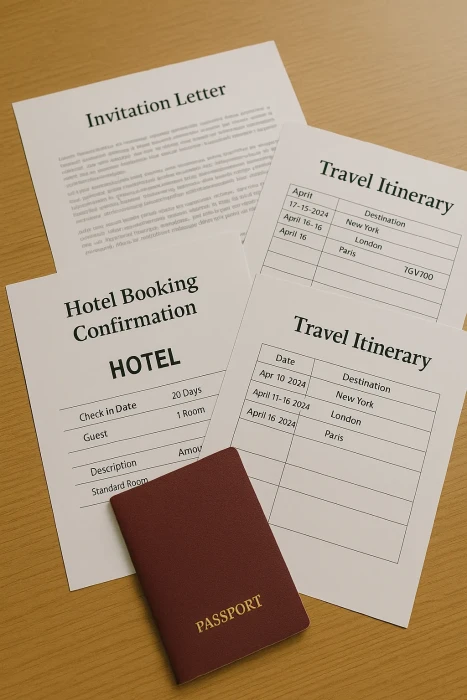
- A new invitation letter from the host explaining the visit details;
- A detailed travel itinerary: routes, bookings, meetings, events;
- An explanatory letter describing what has changed and why you now meet the requirements;
- Employment or enrollment certificates, property documents, your visa history—anything that reinforces trust.
🔹 See our article "Financial Guarantees: How to Prove Your Solvency"—it will help you properly structure the financial part of your package.
Step 3: Document Changes in Your Circumstances
If after the refusal you have obtained new visas for other countries, changed jobs, increased your income, or received a new invitation, be sure to note this in your application and attach the documents. Such changes show you are now a more reliable applicant.
Step 4: Don’t Reapply Too Soon
Many make the mistake of reapplying immediately after a refusal without addressing the previous shortcomings. This rarely succeeds. It’s better to wait 1–3 months, depending on the country and your situation, and prepare thoroughly.
However, don’t delay too long. Documents like bank statements or employment letters are typically valid for about 30 days. The optimal time to reapply is when you have new and improved evidence to show.
Step 5: Seek Professional Assistance
A repeat application is an opportunity you don’t want to miss. Consulting with a visa expert can help you:
- Identify weaknesses in your first application;
- Compile a personalized list of documents;
- Properly draft your explanatory letter;
- Avoid making the same mistakes again.
🔹 Contact InfoVisaAgent — we’ve already helped hundreds of clients successfully obtain a visa after a refusal.
Step 6: Maintain Confidence
Reapplying is standard practice. Consulates do not brand you for life after one refusal. The key is to demonstrate that you are a serious, prepared, and law-abiding applicant. Remember:
- A refusal is not a verdict. Even experienced travelers receive them;
- A repeat visa is attainable. With the right arguments and proper submission, it is often approved;
- You just need a bit more effort, attention to detail, and expert help.
Conclusion
If you’ve faced a refusal, don’t lose heart. A repeat application requires more careful preparation, but with the right approach it can succeed. The main thing is to correct the errors, address feedback, provide stronger evidence, and move forward with confidence.
🔹 Read more about analyzing refusal reasons in our article "Visa Refusal: What to Do Next".
🔹 We also recommend visiting our pages on Canada and USA for additional tips on reapplying.