What Is a Multiple-Entry Visa?
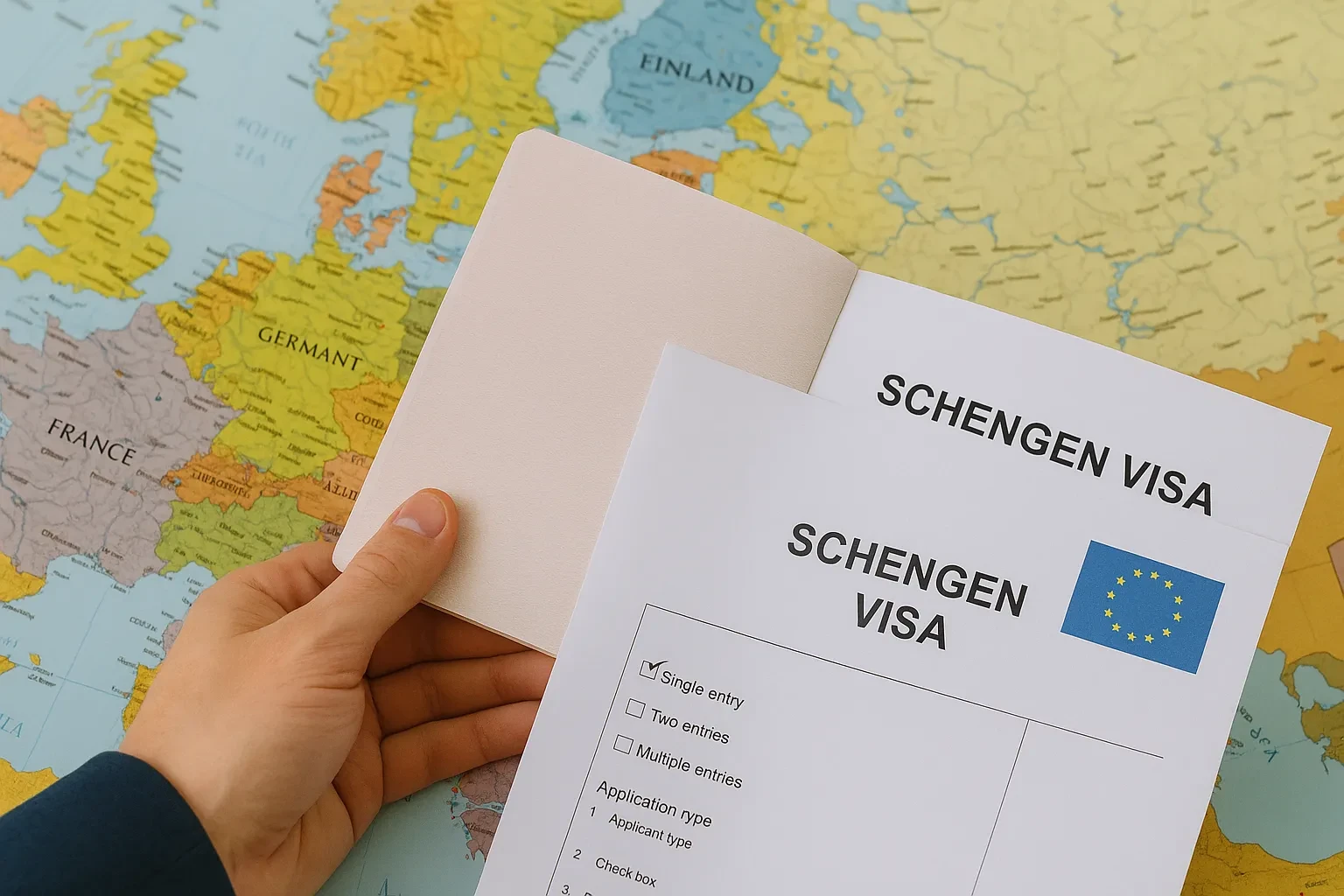
A multiple-entry Schengen visa, also called a multivisa, is a type of visa that allows you to enter and exit the Schengen Area multiple times during its validity. It can be issued for 6 months, 1 year, 2 years, or in some cases even up to 5 years.
It’s important to understand that even with a five-year visa, the 90/180 rule still applies—you cannot stay in the Schengen Area for more than 90 days in any 180-day period. This limitation remains regardless of the visa’s duration.
How to Get a Multivisa: Where to Start?
To obtain a long-term multivisa, you must demonstrate that you are a responsible traveler. If you are applying for your first Schengen visa, it will most likely be issued:
- For specific travel dates
- As a single-entry or double-entry visa
- For up to 30 or 90 days
Typically, long-term visas are granted to those who have already traveled to Schengen, complied with all conditions, and returned on time. For more details, see the articles "First Schengen Visa" and "Schengen Visa: Application Guide".
Which Countries Are Most Generous with Multivisas?
Experience shows that some consulates are more lenient toward applicants seeking a multivisa. Notably:
- France — frequently issues one- and two-year visas, including under special national schemes
- Greece — may grant visas for 2 or 3 years with a strong visa history
- Italy — readily issues repeat visas for longer periods
- The Baltic States — often grant multivisas valid for 1–3 years
- Spain and Finland — in certain cases, especially if you own property or travel regularly
If you have previously held visas from these countries and complied with all rules, you have a high chance of obtaining a multivisa.
Which Documents to Prepare?
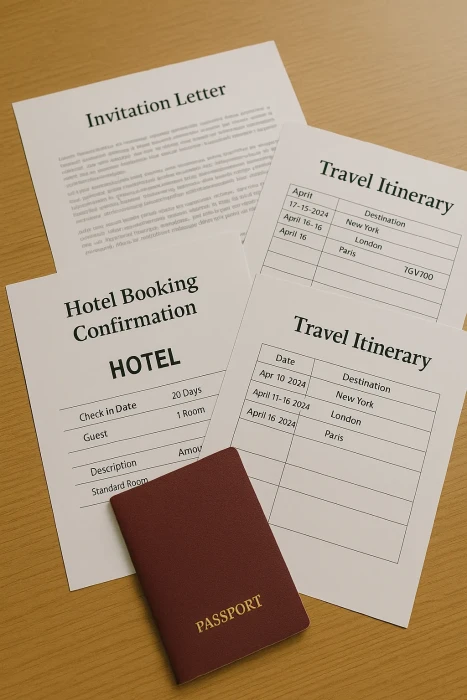
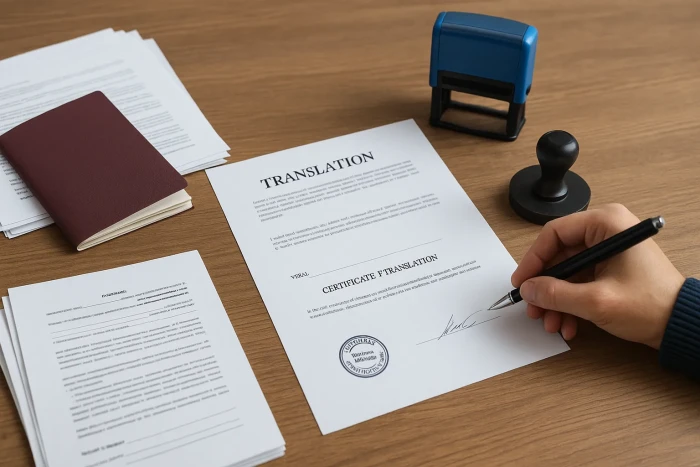
You will need the standard visa application package plus a few additional items:
- Cover letter requesting a multivisa — in free form, explaining why you need a long-term visa:
– You visit Europe frequently
– You have business ties
– You own property or have relatives in the EU
– You attend courses, seminars, or other training - Annual travel insurance — a strong signal of your serious intentions
- Proposed bookings for multiple trips — outline planned visits, e.g. spring in Paris, summer in Barcelona, autumn in Rome
- Proof of property ownership in Europe (if any) or official invitations from companies, friends, or educational institutions
Tips to Increase Your Chances
Here are some recommendations to boost your multivisa application:
- Keep copies of previous visas and boarding passes — they confirm your travel history
- Submit your application a month before travel, not just two weeks ahead — it shows you plan in advance
- Mention business activities even if you’re traveling as a tourist — it strengthens your case
- Attach insurance covering the entire proposed visa period
Responsibility with a Multivisa
Holders of multiple-entry visas must strictly follow the rules. Violating any condition (e.g., exceeding 90 days in a 180-day period) can lead to:
- Visa cancellation
- Entry ban
- Future visa refusals
Thus, a multivisa offers convenience but also carries responsibility.
Conclusion
A multiple-entry Schengen visa is the perfect tool for frequent travelers, business people, or those with personal connections in Europe. It’s easier to obtain than it might seem if you maintain good visa discipline and prepare your documents carefully.
If you need help securing a long-term visa, our team is ready to handle the entire process — from document preparation to consulate appointments.