New Factor in Visa Applications
In recent years, visa processing has come to include not only the standard document check and interview but also an analysis of the applicant’s digital footprint. Primarily, this involves social media accounts. For example, the DS-160 form for a U.S. visa has a dedicated section asking you to list the social platforms you’ve used and your profile names over the past five years.
This means consulates have started considering online activity as part of assessing reliability and immigration risk.
What Might Be Checked on Social Media?
Although official criteria aren’t publicly disclosed, it’s reasonable to assume officers may review:
- Photos, posts, and their captions
- Comments and reposts
- Public discussions — especially on political, social, or sensitive topics
- Information about your work, travels, and family
Special attention may be paid to content that contradicts your stated purpose of travel. For instance, if you apply for a tourist visa but discuss looking for work abroad on social media, it may raise suspicions.
Privacy and Digital Hygiene
Before submitting your visa application, it’s advisable to review and adjust your account privacy settings and, if necessary, clean up any controversial or ambiguous posts. Here are some tips:
- Delete or hide posts that could be misinterpreted — mentions of politics, migration, harsh opinions.
- Ensure consistency between information in your application and on social media — job, family status, travels.
- Avoid posts that explicitly state an intention to remain abroad.
You don’t need to delete your accounts or make them fully private. The goal is that your online presence aligns with the image of a law-abiding traveler.
Examples and Real-Life Cases
Although official statistics aren’t published, there are frequent anecdotes of visa refusals where social media content was cited as a possible cause. For instance:
- A blogger wrote about wanting to “stay in the U.S. at any cost” — the visa was denied.
- Photos with political protest flags raised red flags.
Even if these are coincidences, it’s safer to take precautions and avoid giving any cause for doubt.
How to Behave During the Application Process
Preparing for a visa involves more than documents and forms. It’s important to understand that your digital reputation becomes part of your “visa dossier”.
Recommendations:
- During the application process, refrain from posting strong opinions or engaging in heated debates
- If in doubt, limit access to your profiles by making them private
- Avoid online arguments, especially on political or provocative topics
- Curate your public feed — highlight cultural, family, or travel posts
The Role of Social Media in the Interview
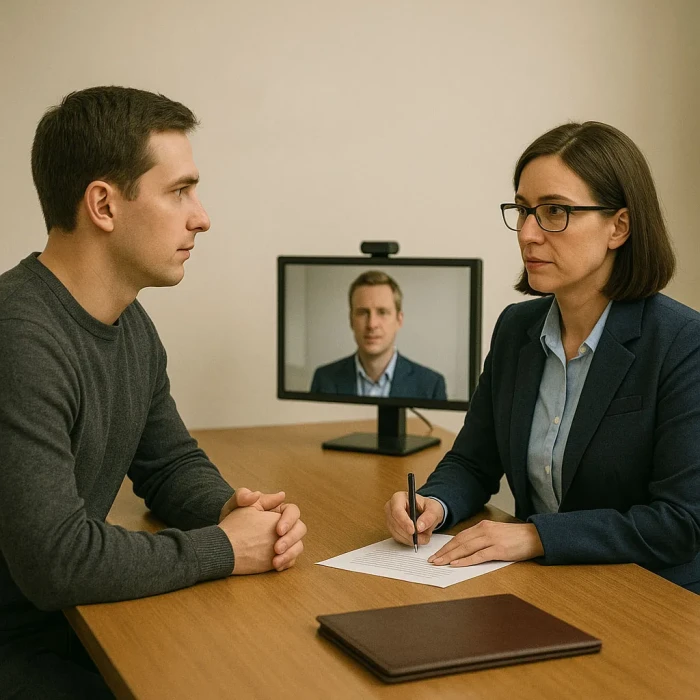
During a visa interview, particularly at U.S. embassies, an officer may ask about your social media: “Did you post about your trip on Facebook?”, “You claim to be a designer, but your profile says otherwise,” etc.
Therefore, be prepared to discuss your online activity, especially if it conflicts with the information in your application.
Conclusion
Social media is an unofficial extension of your application. It can play a positive or negative role in the visa process. Treat this aspect with the same care as document preparation.